Your stories

Naomi’s story
My stammering journey and therapy with the Michael Palin Centre
For a long time, my stammer was the first thing I saw in myself – a good day was defined by the fluency of my speech. The hardest part of living with a stammer was the missed opportunities and the moments I held back, where I could have explored my talents; such as theatre and enhanced my performing arts skills.
At The Michael Palin Centre, the goal isn’t to become someone who never stammers; it’s to become someone who never lets a stammer stop them from speaking. The greatest strength of group speech therapy was being surrounded by individuals who understood my journey; guided by compassionate therapists who created a space where every voice was valued.

Jessica's story (age 14) - Cluttering and me
I really want to raise awareness about cluttering and how it can affect someone. Although I am a confident person it can still be hard when I feel like I haven’t been heard or understood but if people know more about what it means it will hopefully make it easier for people like me who just need a little patience and empathy from time to time.
My dream is to perform on a West End stage and represent all those people like me who clutter or stammer and prove that anything is possible.
Aribah's story
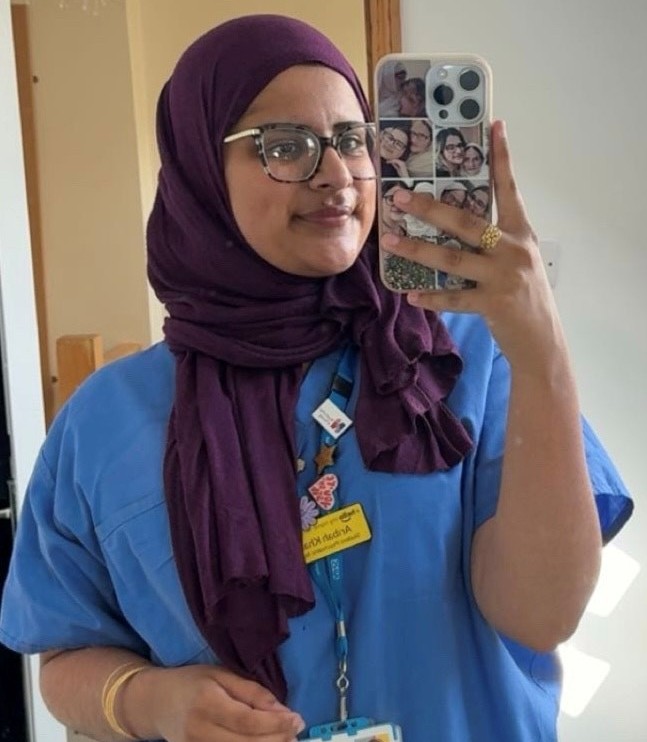
My stammer has not disappeared and still appears at times, but it no longer defines me. Living alongside it has taught me resilience, empathy, and patience which I use every day in my training. It has also given me a deeper understanding of communication, helping me connect with patients and colleagues in a meaningful way.
Charlie, Jacqui and family – their story
For Charlie his confidence was growing he started to find his voice and speak more openly and interact in conversations more. This was a huge turning point in Charlie’s life. He had spent a lifetime covering it up and was now realising the condition can be normalised and this was helping him eliminate the stress and mental pressure it had on him at school and in social situations.

Lewis' story
If I could give my younger self one piece of advice, it would be this: you are not alone and asking for help is one of the bravest, most important things you can do. The MPC did not just help me find my voice; it helped me find pride in who I am.”

Joel's story
Why did you come to the MPC? What impact was stammering having on your life?
I came to the MPC because I felt that my stammer was an obstacle to reaching my full potential.
I couldn’t maintain eye contact and I couldn’t talk to people at large distances. I was very self-conscious about my stammer.
Tom's story
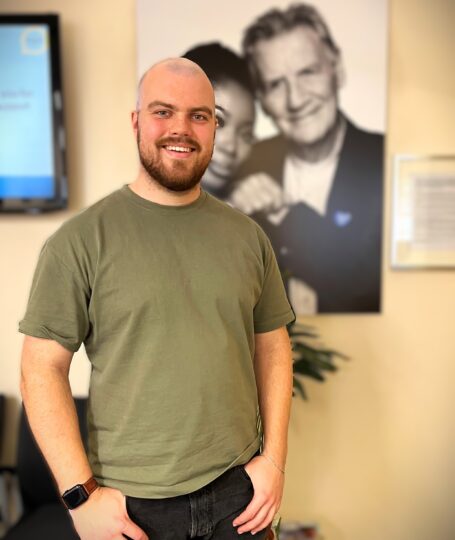
“…my stammer is a characteristic of me I carry with the same weight as my blue eyes, ginger beard or rather large shoe size – nothing more than something that makes me, me.”
Sometimes you just need someone to talk to

Sometimes you just need someone to talk to
Our Helpline, 020 3316 8100, is open during office hours (9am-5pm) and voicemail messages can be left when the office is closed.
“This course is a really great starting step for someone who has very little experience with children who stammer. The content and resources have been super useful.” (July 2019).
Become a Friend
Receive emails with news and information about the Centre's work, events, and fundraising.
Sign up